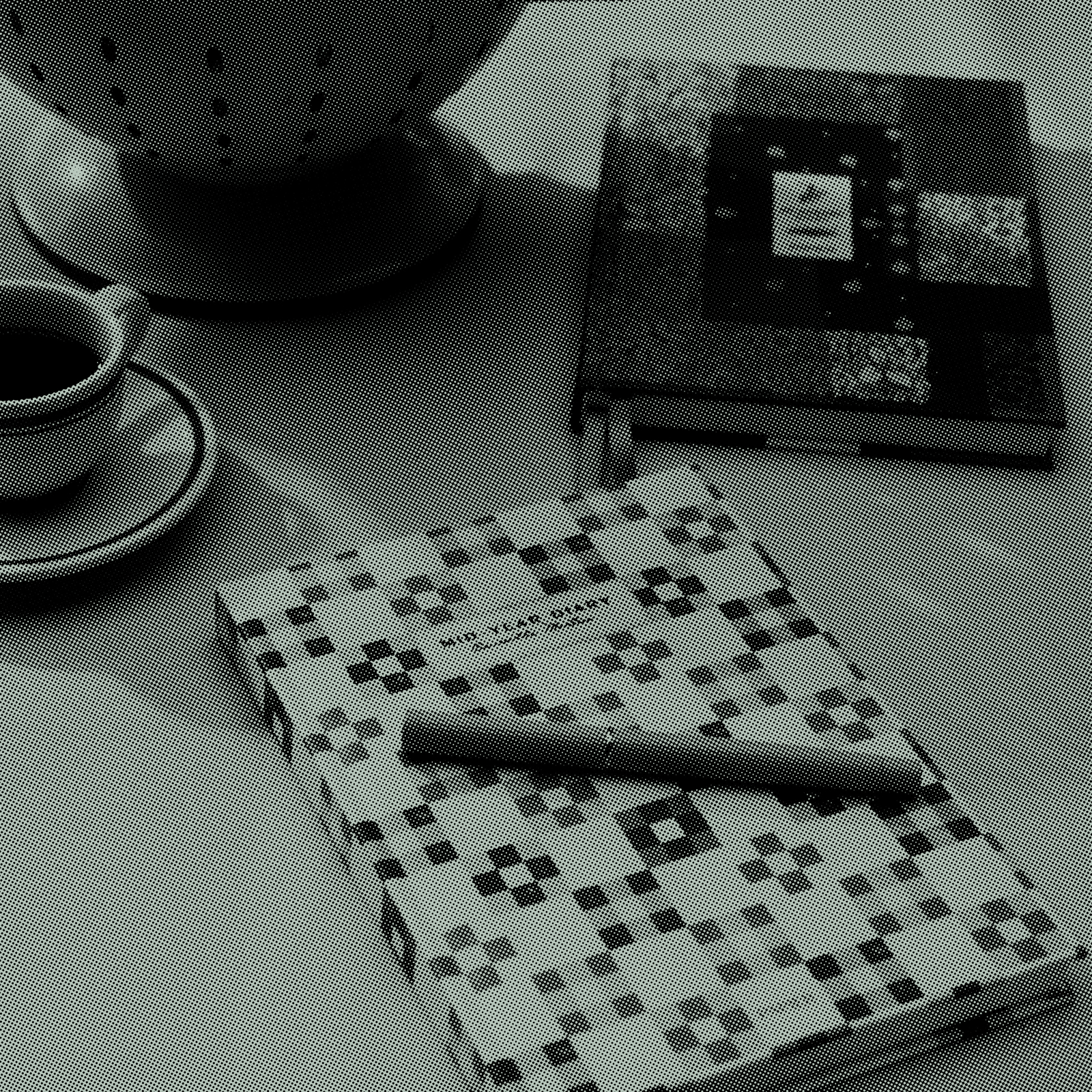
A banana bread from 2021. A pasta you meant to try. That birthday cake you swore you’d make again. Saved as screenshots, buried in group chats, half-written in your Notes app.
A recipe journal brings them all together – somewhere considered, lasting and worth returning to. Not just a place to store ingredients and methods, but a space to refine your go-to dinners, capture new discoveries and keep the recipes that matter most close at hand.
Whether you're new to recipe journalling or finally gathering years of saved favourites into one beautiful place, here's everything you need to know.
Why start a recipe journal?
A recipe journal brings a slower rhythm to your kitchen. Instead of propping up your phone between ingredients, you write things down properly – what you changed, how long it actually took, who you cooked for and whether you’d make it again. Over time, it becomes a record of your tastes, your gatherings and your everyday rituals.
Part kitchen tool, part future heirloom.
What's inside the Papier recipe journal?
Thoughtfully designed for the way people actually cook, our recipe journal holds up to 85 recipes across four dedicated sections: breakfast, lunch, dinner and snacks. Because great cooking doesn't only happen at dinnertime.
Each recipe page gives you space for everything that matters – ingredients, method, cooking time and difficulty rating, so you always know what you're committing to before you begin. There's a dietary requirements and allergens section too, which makes cooking for others in your household or hosting a dinner party less stressful.
The details that make a recipe truly yours live in the hints, tips and tricks section – a corner of the page where you note the extra pinch of salt, the oven that runs hot, the substitution that quietly improved everything. And once you've made a dish, a five-star rating lets you record whether it earned a place in the regular rotation or needs another try.
For those who like to get the numbers right, a dedicated measurements and conversions page means less Googling mid-recipe. Good cooking starts long before you reach the kitchen, so we’ve also included blank list pages to note the independent shops you want to support and the restaurants you want to try.
It's a journal for your cooking life in full – not just the recipes, but the curiosity around them.
Hundreds of designs. One that's entirely yours.
Our recipe journals are hand-illustrated by our Papier designers, which means the cover you choose feels like a little work of art before you've written a single word. From bold botanicals to understated patterns, there are hundreds of designs to choose from – and every one can be personalised for free.
Add a name: The Smith family cookbook.
Mark an occasion: For Lucia’s new kitchen.
Include a little message: Maya & Theo. Date nights at home.
Whether you’re choosing one for yourself, gifting it to a student moving away for the first time or wrapping it up for a passionate foodie friend, a personalised recipe journal is the kind of gift people genuinely use – and keep.
Spiral or hardback – which recipe journal is best?
It depends on how you cook.
Our spiral recipe journal is made for kitchens in full flow. It lies flat on the counter as you measure and stir, stays open without being held down and lets you flip between sections easily. Practical, unfussy, with larger pages.
Our hardback recipe journal is for those who want something that feels like a proper book – structured, durable and beautiful on a shelf. It's the natural choice if you're building a long-term family recipe collection or gifting it to someone starting a new chapter.
Both formats offer the same interior: 85 recipe pages across breakfast, lunch, dinner and snacks, with space for method, ingredients, timings, ratings and notes. The right choice comes down to your kitchen habits and how you want your journal to feel in hand.

How to use a recipe journal?
There's no single way. The best approach is the one that feels right for you. A simple starting point is to transfer the recipes you already return to – family classics, reliable weeknight dinners, your go-to dessert. From there, build slowly, adding new discoveries as you try them.
Some people take the time to write everything out neatly, or there’s the option to scribble it all down and embrace gloriously messy, sauce-splattered pages. It’s entirely up to you.
This is where recipe journalling becomes genuinely personal. You’re not just copying instructions – you’re refining them, adapting them and making them your own.
How to organise a recipe journal?
With four dedicated sections already built in – breakfast, lunch, dinner and snacks – the structure is there when you need it. From there, organise within each section however makes sense to you: by cuisine, by occasion, by season, or simply in the order you discovered them.
If you're not sure, start anywhere. The goal isn't a perfect system – it's one you'll actually use.
How to start a family recipe book?
Begin with what already exists. Ask relatives for their signature dishes. Dig out handwritten cards. Recreate the meals you associate with certain people, certain kitchens, certain years.
Write them into your recipe journal with context – who shared it, what you've adjusted, whether it got five stars the first time. Leave room for the recipes that haven't been invented yet.
Done well, a recipe journal becomes something worth passing down. Personalise the cover with a family name or a meaningful date, and it becomes an heirloom or best housewarming gift before it's even full.
What is the best size for a recipe journal?
Generous enough to write in properly. Practical enough to live in the kitchen. Our larger spiral format gives you room for ingredients, method, timings and all your margin notes. The page is yours for the taking – whether you’re recording tweaks, memories from the evening, or little ‘goes well with’ reminders.
Our hardback designs are slightly more compact, tucking neatly onto a shelf or travelling well if you’re the kind of person who cooks away from home.
The most important thing? There’s enough space to make each recipe feel considered, never cramped.
How to start a recipe journal (step by step)?
You don't need a plan. You just need one recipe you love.
Write it down properly. Fill in the cooking time, give it a difficulty rating, note your dietary swaps. Add a five-star rating and a tip for next time. Then do the same next week. The journal builds itself from there.
Over time it becomes more than organised pages – it becomes the place you return to. For reliable Tuesday dinners. For special occasions. For the dishes that feel like home. Thousands of recipes can live on your phone. But the ones you treasure deserve a page of their own – and a cover worth keeping on the shelf.