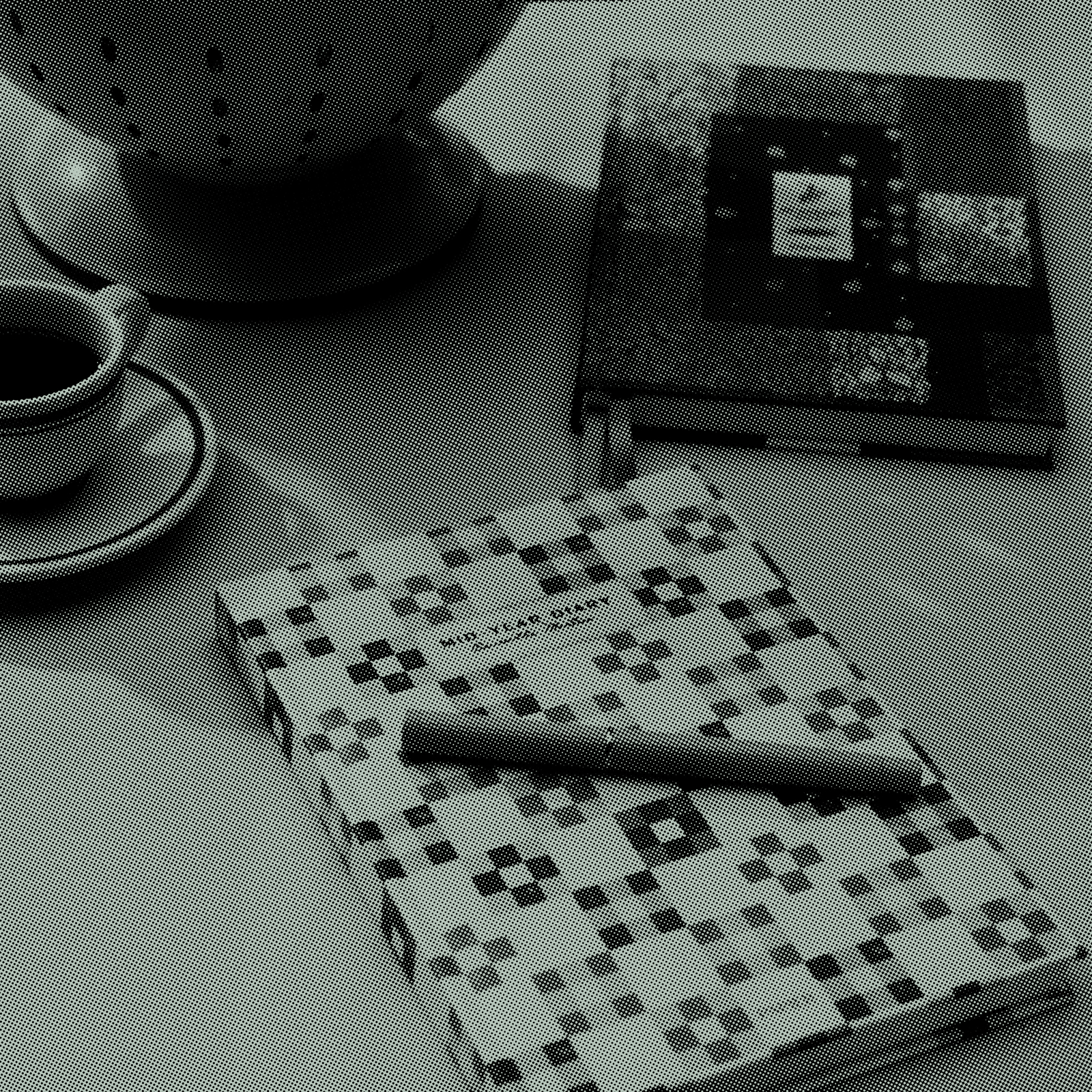
Some things announce themselves as special. Others are easy to miss. Morning light in the kitchen. The first sip of something good. A song arriving at exactly the right moment. Clean sheets, an unexpected laugh, ten quiet minutes to yourself.
Gratitude is really about noticing – catching the good things before life pulls your attention somewhere else. Big, small, fleeting or familiar, there’s usually more there than we think.
World Gratitude Day is a reason to stop and take stock of it all. Here are three ways to mark it – by putting pen to paper, sharing what you appreciate with others and giving a few good thoughts somewhere to land.
What is World Gratitude Day?
World Gratitude Day falls on 21 September each year – a day for recognising what we’re grateful for, from the life-changing to the lovely and ordinary.
The idea dates back to 1965, when a gathering at the East-West Center in Hawaii discussed creating a day centred on gratitude that could be shared around the world. Those there agreed to mark it the following September, and the tradition grew from there.
There’s no prescribed way to celebrate World Gratitude Day. It can be something you do quietly by yourself or share with the people around you. The important part is taking a moment to recognise what you might otherwise take for granted.
How can you celebrate World Gratitude Day?
You can celebrate World Gratitude Day by writing down what you're grateful for, sharing your appreciation with family or friends, or sending someone a handwritten thank you. No grand gesture needed – just something noticed, and said.
1. Notice it: start a gratitude journal
There's something about writing a thought down that asks you to give it your full attention. No open tabs. No notifications. Just you, a page and whatever comes to mind.
A gratitude journal gives those thoughts somewhere to go. It might be the obvious things – people you love, places you've been – but it can also hold the details you'd otherwise lose to the day: something that made you laugh on the way to work, a meal you're still thinking about, a conversation that left you feeling lighter.
How do I start a gratitude journal?
Start small. Choose one or two things you feel grateful for and write down why they mattered to you. Journal every morning or evening, once a week, or whenever you feel like you need to reset. A sentence counts. So does a word. The practice is in noticing.
Papier's gratitude journals are designed to make starting easier, with five months of entries to complete at your own pace. Morning and evening prompts offer a moment to pause whenever you need one, while 30-day reflections give you space to look back on the thoughts, feelings and moments that shaped your month. There are affirmations, activities and little mottos along the way too – because finding something to appreciate is easy on some days and considerably less so on others.
2. Share it: play a gratitude game
Gratitude doesn't have to be a solo pursuit. Around a dinner table, on a weekend away or during a quiet night in, a simple question can lead somewhere surprisingly interesting.
That's the idea behind a gratitude game: prompts designed to get family or friends talking about the people, places, memories and moments they appreciate.
What is a gratitude game and how do you play it?
A gratitude game uses simple prompts to get people talking about who and what they appreciate – pick a card, answer it, pass it on. Small enough to throw in your bag for a weekend away or a long drive, special enough to change the mood at dinner or your next games night.
There's no need to make every answer profound. In fact, the best conversations rarely begin that way. A favourite Sunday ritual or the person who makes the best cup of tea can tell you rather a lot.
What are some World Gratitude Day activities for family or friends?
Try a gratitude game over dinner, ask everyone to share the best part of their day, swap favourite memories, or write down something you appreciate about each person in the room. You could also make your own gratitude jar, take a walk and notice five things that make you happy, or choose someone you've been meaning to thank and write them a note.
Which brings us to...
3. Say it: write a thank you card
Sometimes we assume people already know. That you loved having them stay. That their advice helped. That the favour they considered tiny was anything but. They might know. But it's nicer not to leave it to chance.
A handwritten thank you card turns a passing thought into something someone can hold onto. And unlike flowers or a bottle of something lovely, it has the curious habit of ending up tucked into drawers, pinned above desks and rediscovered years later.
Papier's thank you cards give those words somewhere proper to land, with designs for every kind of thank you – from the elegantly understated to the rather more exuberant.
How do I say thank you without a gift?
You don't need a gift for a thank you to land. Write a card that tells the person exactly what you appreciated and why it mattered to you. Specificity is what makes it personal – rather than thank you for everything, tell them the thing you remember. The lift home in the rain. The pep talk before the interview. The dinner that appeared exactly when you needed it.
What should I write in a thank you note?
A thoughtful thank you note says what you're thanking them for, what it meant to you, and ends on something personal. Specific beats polished, every time.
For a friend: Mention the specific thing they did, then tell them what you appreciate about having them in your life.
For a teacher: Thank them for a particular lesson, piece of encouragement or moment of support, and share the difference it made.
For a colleague: Name what they helped you with and why you appreciated it. Warm and specific beats overly formal every time.
And write as you speak. The best thank you notes sound like the person sending them, not something borrowed from a greeting card aisle. A little gratitude goes a long way
World Gratitude Day comes once a year. The good things, thankfully, are rather less punctual. Write them down when you notice them. Ask the people you love about theirs. And when someone has made your day, your month or something much bigger a little better, tell them.
Preferably on paper.